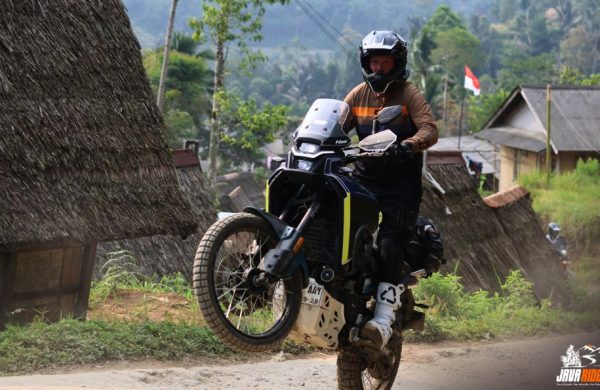
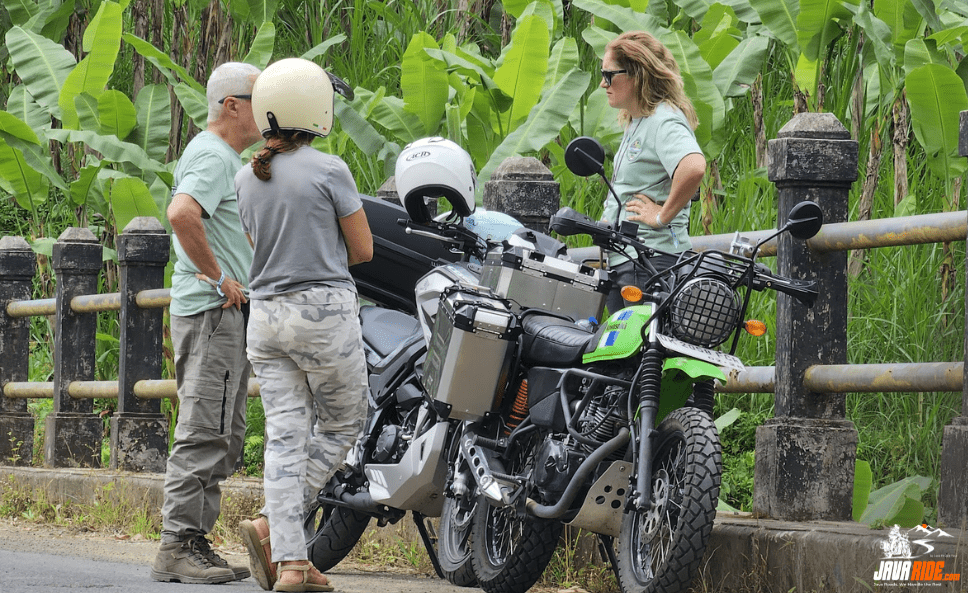
javaride.com – A lot of riders arrive at the same question once Java is on the table. Do you ride it on your own, or do you ride it with support?
On paper, the self-guided option often looks cleaner. More freedom. Fewer moving parts. Maybe a lower upfront cost.
That sounds good until the ride starts asking harder questions.
Because Java is not the kind of place where this decision only changes how the day feels. It changes how the day works. It changes how much you rely on your own route judgment, how much margin you have once conditions shift, and how much of your energy goes into the road itself instead of everything around it.
This is not about saying one choice is always right.
It is about understanding what each choice actually asks from the rider.
Why This Choice Matters
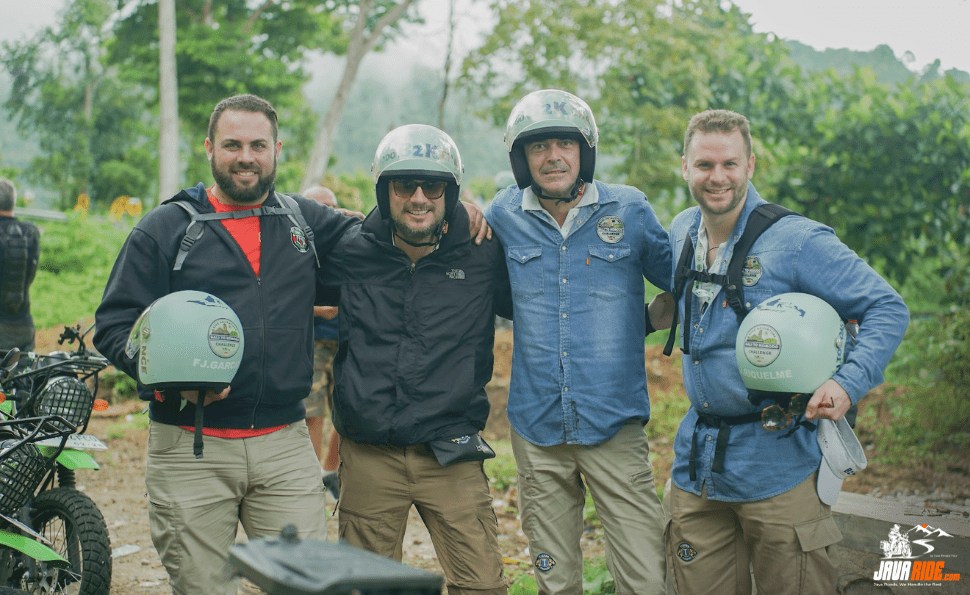
In some destinations, the difference between guided and self-guided mostly comes down to preference.
In Java, it shapes the whole ride.
This island compresses a lot into a short distance. Mountain passes, village access roads, uneven surfaces, weather shifts, local traffic, and route changes can all show up in the same day. A trip that looks simple in planning can feel very different once the road starts layering those things together.
That is why the real comparison is not freedom versus structure.
It is support versus self-management in a place that does not always reward guesswork.
Self-Guided Feels Simpler
There is a reason riders are drawn to self-guided travel.
It promises independence. You choose the pace, the stops, the route, and the rhythm of the day. For experienced riders in the right environment, that can be exactly the right call.
But Java adds friction to that idea faster than many first-time visitors expect.
A route can look short and still ride long. A section that seemed minor on the map can become the part of the day that drains the most energy. Weather can tighten the pace. Local road behavior can slow momentum. A good morning can quietly turn into a heavier afternoon if the route was only half-right to begin with.
None of this means a self-guided ride cannot work.
It means the rider is carrying every part of the day at once — navigation, timing, route decisions, bike judgment, contingency planning, and the consequences of getting any of those slightly wrong.
What Support Changes
A supported ride changes the experience long before anything goes wrong.
It changes how the route is built, how the bike is matched, how the pace is managed, and how much room the rider still has once the day starts shifting away from plan.
That is the part many riders underestimate. Support is not only backup. It is structure.
Route Judgment
A map can show the road.
It cannot always tell you whether that road still makes sense today, in this weather, at this pace, on this motorcycle, for this rider.
That kind of judgment is where support starts becoming valuable. A route built by people who know the terrain behaves differently from one built by someone reading the island from a screen. The day flows better. The stops make more sense. The ride feels more deliberate instead of constantly self-correcting.
In Java, that difference is rarely obvious at the beginning of the day.
It becomes obvious later, when the wrong route starts asking too much.
Pace and Backup
Support also changes the rider’s margin.
A properly matched motorcycle, a road captain who knows the route, mechanical backup, and a support system behind the day all remove pressure from the rider. You are not spending the whole ride protecting against what might go wrong. You are riding with a stronger plan already in place.
That matters even more on longer days, mixed terrain, and multi-day touring. Once fatigue shows up, the quality of a ride depends less on confidence and more on how well the day was designed around the people actually riding it.
Which Ride Fits You
For some riders, self-guided still makes sense.
If you already know the region, prefer total independence, and are comfortable carrying every decision yourself, that may be part of the appeal. The ride becomes as much about self-navigation and self-management as the road itself.
But for many international riders coming to Java for the first time, the question is not whether they are capable of riding without support.
It is whether doing so actually gives them the best version of the trip.
A guided ride makes more sense when the goal is not just to move through the island, but to ride it well. That becomes even more true when the trip is private, the route is built around your pace and experience level, and the support behind the day is there from the start instead of being improvised after arrival.
That is where guided stops meaning generic.
And in Java, that difference matters.
Because in Java, the best choice is not always the one that looks freer on paper.
It is the one that makes the ride work better once the wheels are moving.
So, if you’re ready to ride Java with the right balance of freedom, support, and local knowledge, head over to our contact page and let’s start planning your route. Or you can simply CLICK THIS LINK to chat with us on WhatsApp. With JavaRide, you’re not just getting a bike and a route — you’re getting fifteen years of local knowledge behind every mile. See you on the road!