javaride.com – Most first-time mistakes in Java begin before the motorcycle even moves.
Not because the rider lacks confidence.
Usually it is the opposite.
They arrive with solid experience, decent planning habits, and a picture in their head of what the island will feel like. The problem is that Java rarely behaves like the simplified version people build from maps, travel content, or surface-level route research.
That is where the mismatch starts.
Java is not hard because it is chaotic in some dramatic, cinematic way. It is hard because it is layered. It changes pace quickly. It compresses distance badly. It asks for better judgment than many riders realize at first glance.
And that is exactly why first-time riders often get it wrong.
Java Is Not One Ride
One of the biggest mistakes riders make is treating Java like a single riding environment.
It is not.
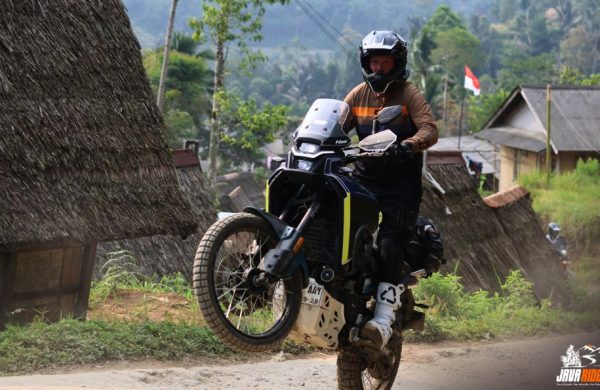
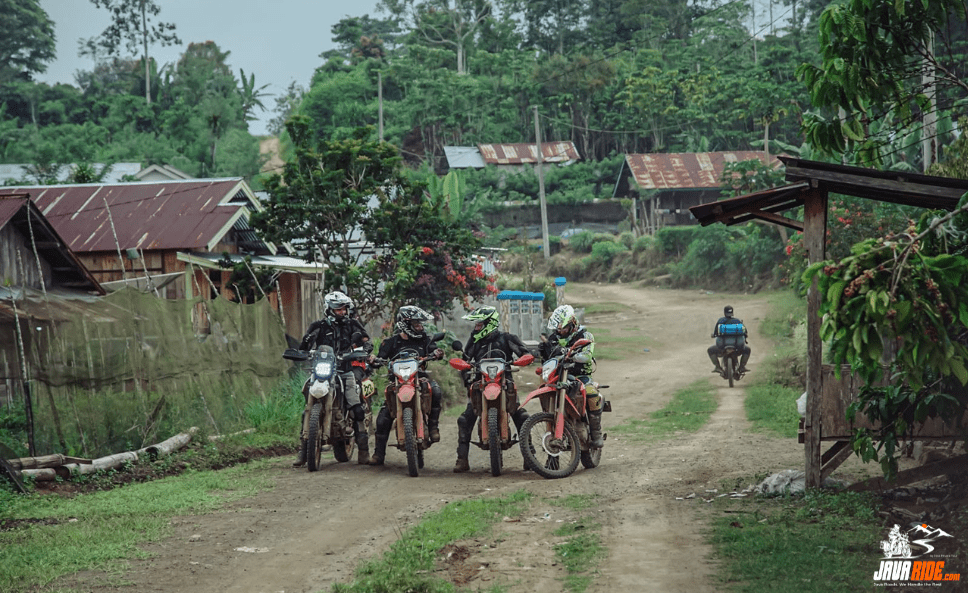
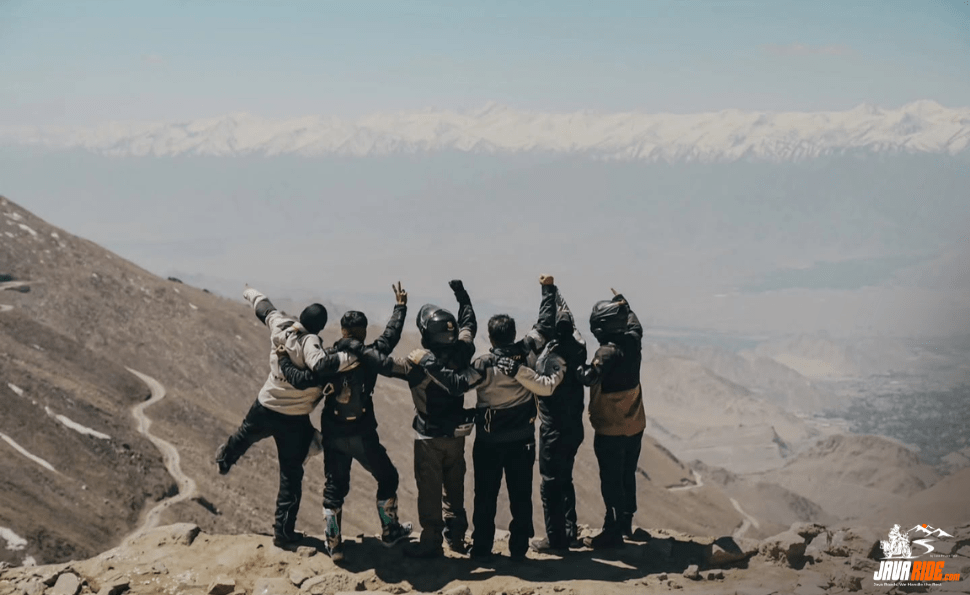
A day here can move from smooth tarmac to village access roads, from cooler mountain curves to heavier traffic, from easy rhythm to technical attention, all without covering huge distance on the map. The island rewards riders with depth, but that depth comes from variety.
And variety creates planning risk.
A route that would feel straightforward in one region can feel heavier in another simply because the road behaves differently, the pace changes, or the conditions stack up faster than expected. Riders who do best in Java are usually the ones who understand that the island is never just one thing.
The Map Is Only the Start
First-time riders often trust their planning tools more than the island deserves.
That does not mean maps are useless. They are essential.
But they are the starting point, not the final judgment.
Short Roads Ride Long
This is one of the first lessons Java teaches well.
A route can look modest on a screen and still take longer than expected once road surface, local traffic, elevation changes, village sections, and real-world pace begin shaping the day. What felt like a manageable plan in the morning can start cutting into margin by mid-afternoon.
That is how good rides become rushed.
Not because the rider made one catastrophic mistake, but because the route was only slightly misread from the start.
In Java, slightly wrong is often enough.
Weather Changes the Day
Another common mistake is treating weather like a side note.
In Java, weather is part of the route.
Visibility, traction, road feel, and energy use can all shift once the conditions move. A route that feels easy in clear weather can become slower, tighter, and more demanding once rain, mist, or wet surface starts shaping the pace. Riders who ignore that relationship usually end up managing the day instead of enjoying it.
This is also why local route judgment matters so much here.
The forecast can tell you what might happen.
It cannot tell you how that specific road tends to behave once it does.
The Wrong Bike Changes Everything
Bike choice is another place first-time riders often oversimplify.
They ask what motorcycle is best for Java as if the island gives one clear answer.
It does not.
The right bike depends on the route, the terrain, the rider’s comfort level, and what the day is actually asking for. A machine that feels great on open roads can start feeling heavy or limiting on mixed surfaces. A bike that looks capable on paper can become tiring if it is not matched properly to the pace and ground conditions.
The mistake is not choosing the wrong motorcycle by accident.
The mistake is assuming the bike can be figured out separately from the route.
In Java, the two belong together.
Respect Beats Confidence
The riders who struggle most in Java are not always the inexperienced ones.
Often they are the confident ones — the riders who have done difficult roads elsewhere and assume the same logic transfers cleanly here. Sometimes it does. Sometimes it does not.
Java rewards riders who respect how quickly the day can change. It rewards good pacing, realistic planning, route discipline, and the ability to leave ego out of the decision-making. That matters whether the ride is scenic and cultural or more technical and terrain-driven.
This is also why fully supported private touring changes the experience so much. The route is built around who is actually riding. The bike is matched to the day. The support is already in place. The rider spends less time compensating for preventable mistakes and more time actually enjoying what makes Java worth riding.
Because first impressions in Java are not shaped by luck.
They are shaped by how well the ride was judged before it began.
So, if you’re ready to ride Java with the right route, the right motorcycle, and the right expectations, head over to our contact page and let’s start planning your route. Or you can simply CLICK THIS LINK to chat with us on WhatsApp. With JavaRide, you’re not just getting a bike and a route — you’re getting fifteen years of local knowledge behind every mile. See you on the road!