javaride.com – Riders often ask for the best route in Java as if the island gives one clear answer.
It does not.
The best route depends on who is riding, what kind of terrain they actually want, how much effort they want from the day, and what they still want to feel by the time the road starts getting heavier in the afternoon.
That is why choosing the right route in Java is less about finding the most famous line on a map and more about matching the road to the rider properly.
A route can be scenic and still be wrong. It can be technical and still add less value than expected. It can look impressive online and still perform badly on the ground.
The best route is the one that makes sense once the wheels are moving.
Start With the Rider
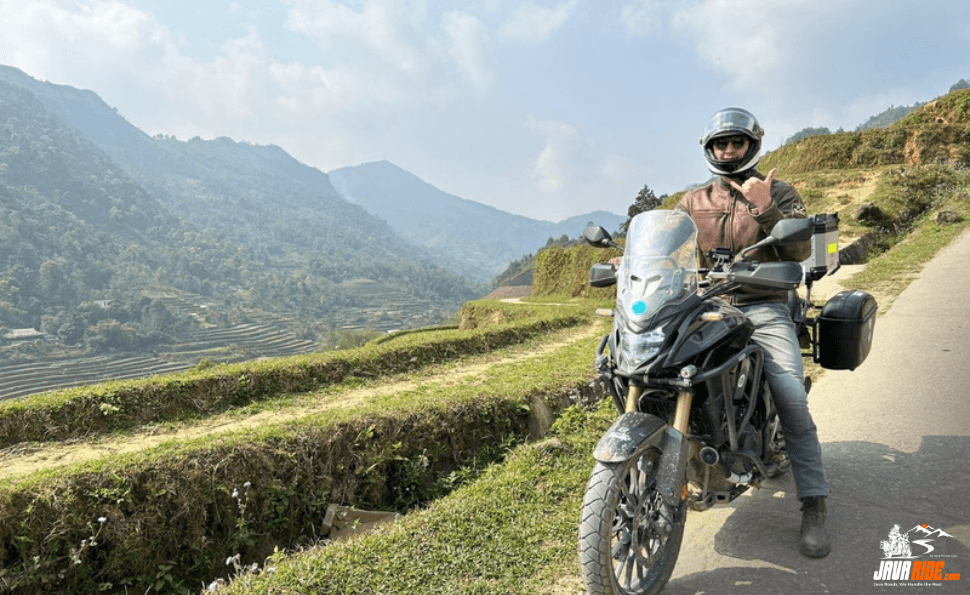
Good route planning starts with the person, not the road.
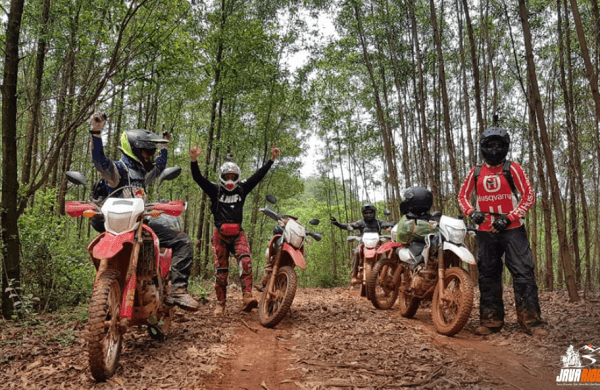
A first-time international rider coming to Java for a strong scenic experience does not need the same route as a rider who already understands mixed terrain and wants something more demanding. A couple on a private cultural touring trip should not be judged by the same route logic as a group of friends chasing a harder day across changing surfaces.
This is where many route decisions go wrong.
People choose the ride they think sounds impressive instead of the one that actually fits.
Choose the Kind of Day
The next question is not where the route goes.
It is what kind of day the rider wants to have.
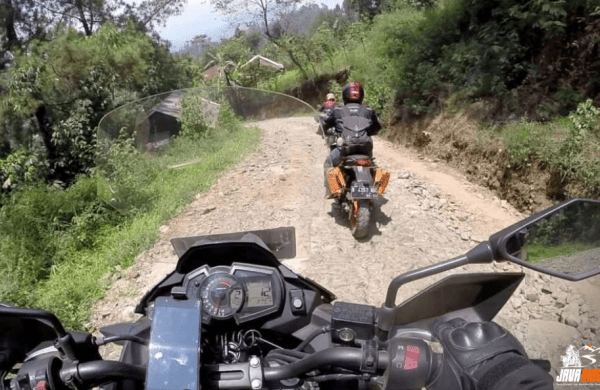
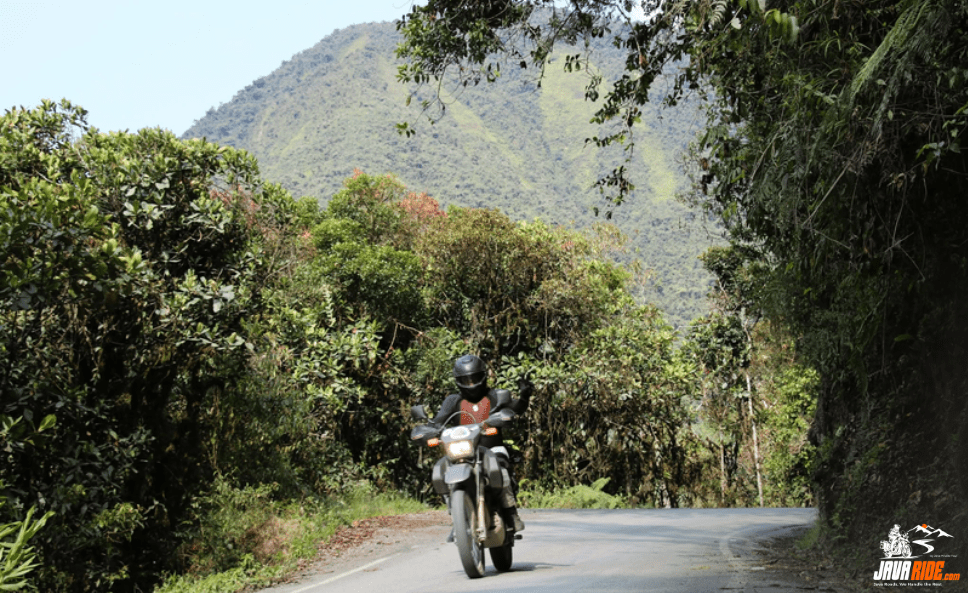
Some riders want flow: mountain curves, village roads, scenery, and a route that keeps giving without becoming too technical. Others want more challenge: rougher sections, changing surfaces, a stronger sense of terrain, and a day that asks more from the body and the machine.
Both can be good choices.
The mistake is mixing them carelessly.
Scenic Is Not Soft
A scenic route in Java is not automatically easy.
Scenery often comes with elevation, shifting roads, local traffic, village rhythm, and weather that can change how the day feels from one section to the next. A rider choosing scenic roads still needs a route that has been judged properly, not one that assumes beautiful means effortless.
Technical Is Not Always Better
Some riders also make the opposite mistake.
They assume a harder route is automatically the more memorable one. Sometimes it is. Sometimes it is simply more tiring, more broken, and less rewarding for the rider who is actually on it. A route only becomes worth the effort when the challenge fits the rider and still leaves the day feeling well spent.
Weather Changes the Route
No route exists in isolation from the conditions around it.
The same line can ride differently depending on the season, visibility, road surface, and how much the weather has already shaped the terrain that week. A route that works beautifully in one window can become slower, tighter, or simply less enjoyable in another.
That is why route choice in Java is never just about geography.
It is about timing as well.
A Good Route Leaves Margin
This is one of the clearest signs that a route was chosen well.
It leaves room.
Room for weather to change. Room for pace to shift. Room for a stop that feels worth taking. Room for the rider to enjoy the island instead of constantly negotiating with the plan. A route that uses every ounce of the day usually looks better in theory than it feels in practice.
Good route planning is not about squeezing more into the map.
It is about leaving the right amount of day intact.
So, if you’re ready to ride Java with a route that fits your pace, your terrain, and the kind of experience you actually came here for, head over to our contact page and let’s start planning your route. Or you can simply CLICK THIS LINK to chat with us on WhatsApp. With JavaRide, you’re not just getting a bike and a route — you’re getting fifteen years of local knowledge behind every mile. See you on the road!