javaride.com – Ask when the best time to ride Java is, and most people expect a simple answer.
Dry season. Next question.
That would be convenient. It would also be incomplete.
Java does have months that are generally easier for riding than others. But the truth is that the best time to ride Java depends far less on a calendar than most riders think. It depends on what kind of ride you actually want, what terrain you plan to cover, how comfortable you are with changing conditions, and whether your route was built by someone who knows how Java behaves when the weather shifts.
Because Java is not one kind of motorcycle destination.
A rider can spend one day carving through mountain roads under clear skies, then wake up the next morning to mist, wet tarmac, and a route that suddenly asks for a very different pace. A coastal stretch can feel wide open and easy while an inland road turns cooler, rougher, and more technical within the same trip.
So the better question is not simply:
“When is the best time to ride Java?”
The better question is:
“Best for what kind of rider, on what kind of route, and with what kind of experience in mind?”
Why There Is No Perfect Riding Season in Java
A lot of destinations reward simple planning. Pick the sunny month, book the flight, and you are done.
Java is more layered than that.
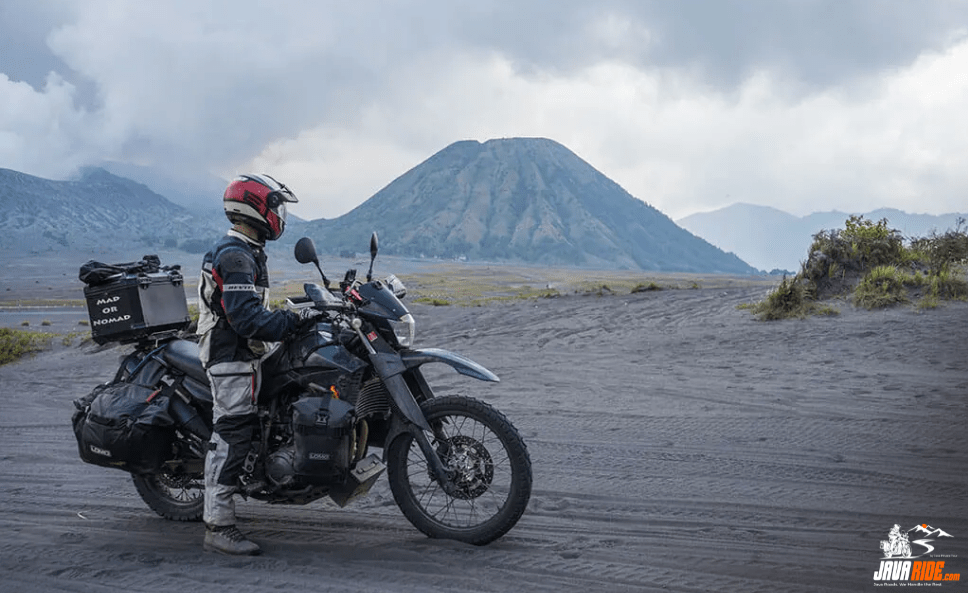
This island gives riders a mix of mountain passes, volcanic terrain, back roads, villages, highways, and coastal sections — often within a relatively short distance. That variety is exactly what makes Java so rewarding on a motorcycle. It is also why no single season tells the whole story.
Weather in Java does not just affect comfort. It changes visibility, road surface feel, traction, route difficulty, pacing, and how much energy a rider uses over the course of a day. A road that feels relaxed in one part of the year may feel slower and more demanding in another.
That does not make one season “good” and the other “bad.” It means the right season depends on the ride you came here to have.
The Best Months for Riding in Java
For many international riders, the more predictable riding window is generally during the drier part of the year, often around April to October.
That is when many routes are easier to read, road conditions tend to be more manageable, and long riding days feel more straightforward to plan. Visibility is often better. Sudden downpours are less likely to dictate the entire rhythm of the day. Mountain sections are usually more approachable, especially for riders coming to Java for the first time.
If someone asks for the safest broad answer — especially for a first visit — this is usually where the conversation starts.
The drier months are often the easiest time to enjoy what makes Java special without adding too many unnecessary variables. Scenic mountain roads are easier to appreciate when you are not constantly recalculating for weather. Village routes feel more relaxed. Multi-day touring tends to flow more smoothly when the route stays closer to what was planned.
That is why riders who want a more comfortable introduction to Java often gravitate toward this part of the year.
But easier does not mean automatic.
Even in drier conditions, Java still rewards riders who take route planning seriously. Terrain remains varied. Distances can look short on a screen and ride longer in real life. The road that suits a relaxed cultural touring day is not necessarily the same road that suits a rider chasing more technical terrain.
Then there is the wetter part of the year, generally around November to March.
This is where many riders make the mistake of thinking the answer becomes simple in the opposite direction: Avoid Java entirely.
That is not really the point either.
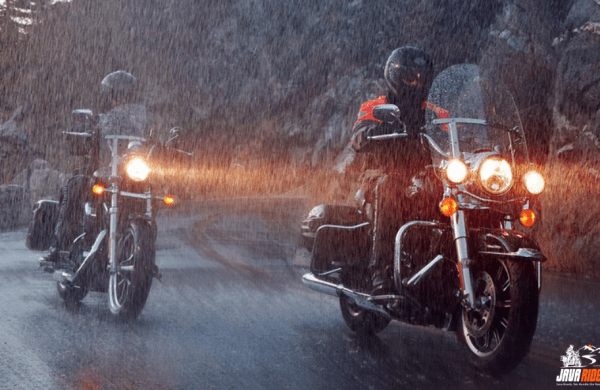
Yes, wetter months can make some routes more complicated. Road surfaces may feel slicker. Visibility can tighten quickly. Mountain weather becomes a bigger factor. Certain sections may stop being enjoyable for the average rider long before they become truly impossible.
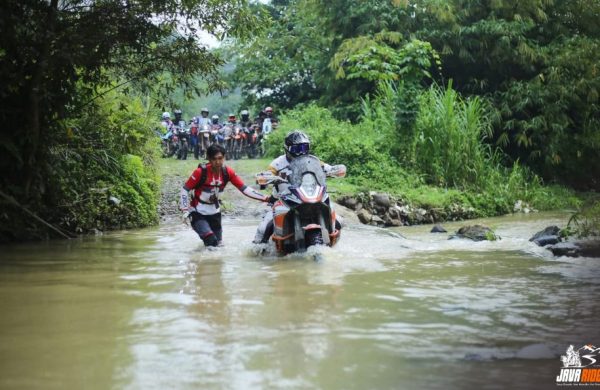
Offroad and dual-sport routes, in particular, can shift from fun to draining if the ground becomes too soft, too broken, or too unpredictable.
But that does not mean riding in Java during wetter months has no value.
It means the route matters more. The pace matters more. The machine matters more. The support behind the day matters more.
For the right rider, with the right expectations, some wet-season riding can still be deeply rewarding. The landscapes feel different. The air cools down in certain elevations. The island can feel quieter, moodier, and more dramatic. What you lose in predictability, you sometimes gain in atmosphere.
The mistake is not riding during wetter months.
The mistake is riding the wrong kind of route in the wrong conditions just because the calendar said the trip should still work.
Best Time for Different Types of Riding
If the goal is a smoother, more scenic, less technical ride — the kind of trip that focuses on mountain roads, coastal stretches, village access, and cultural depth rather than difficult terrain — then the drier months are usually the stronger choice.
That is especially true for international riders who are coming to Java for the first time and want to enjoy the island without turning the route into a constant weather negotiation.
On-road touring and cultural routes benefit from good visibility, easier road surfaces, and more predictable day planning. You spend less energy managing the condition of the ride and more energy actually enjoying it.
For many riders, this is the version of Java that delivers the cleanest first impression: long views, varied roads, quiet villages, and enough route depth to feel real without becoming unnecessarily hard.
If what you want is comfort, scenery, and flow, then a better-weather window usually makes the most sense.
This is where the answer gets more nuanced.
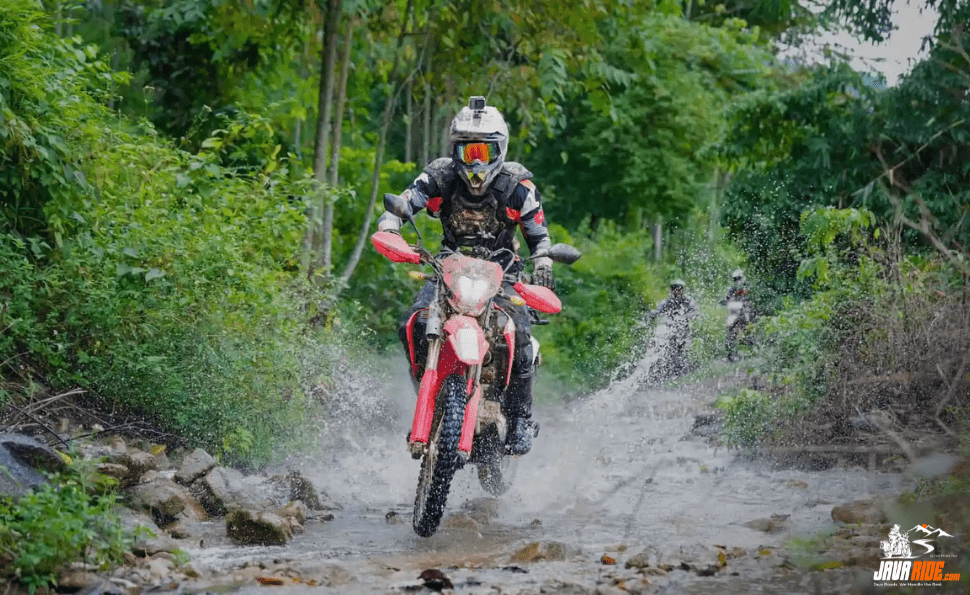
Offroad and dual-sport riders do not always want the easiest conditions. Sometimes a route is more enjoyable when there is a bit of texture in it — not because riders want chaos, but because perfectly dry ground is not the only version of a worthwhile ride.
Still, there is a difference between technical and punishing.
The best window for offroad or dual-sport riding is not just about avoiding rain altogether. It is about choosing a period when the terrain is still alive and interesting without becoming a recovery exercise.
Too wet, and the ride can turn into a long day of fighting traction, visibility, fatigue, and bike management.
Too dry, and certain sections may lose some of the feel riders came for in the first place.
That is why blanket advice rarely works for this category.
An offroad route should be matched not only to the season, but to the rider’s skill level, energy, bike setup, and appetite for difficulty. What feels adventurous to one rider may feel needlessly exhausting to another.
This is exactly the kind of decision that should be made from the ground up, not from a generic weather chart.
The Best Time Depends on the Rider
This is the part many operators skip.
They talk about weather as if every rider wants the same day, the same pace, and the same route.
But a solo rider with strong touring experience is different from a couple looking for a scenic private trip.
A group of friends chasing mixed terrain is different from a visiting motorcycle club that wants the depth of Java without the hassle of shipping bikes across the world.
A rider who wants cultural routes and dramatic scenery needs a very different recommendation from someone asking for technical offroad sections and a tougher day on the pegs.
That is why “best time” only becomes useful once it is tied to the actual people doing the ride.
The season matters, yes.
But the rider matters just as much.
Why Local Route Knowledge Matters
This is also where planning starts to separate itself from guessing.
A forecast can tell you rain is possible. It cannot tell you which mountain pass becomes slower first, which section holds water longer, which village road stops being enjoyable after repeated showers, or which alternate route still preserves the feel of the day without turning the ride into a compromise.
That kind of judgment does not come from looking at Java online.
It comes from riding these roads repeatedly, in different conditions, over time.
And that is often the real difference between a trip that feels well judged and one that feels like a series of small preventable mistakes.
The wrong route on the wrong day can make a perfectly good trip feel heavier than it needed to be. The right route, chosen for the season and the rider, can make the island feel exactly as rewarding as people hoped it would.
So, When Is the Best Time to Ride Java?
If you want the broadest, simplest answer, the more predictable and easier riding months are usually in the drier part of the year, often around April to October.
But if you want the more honest answer, it is this:
The best time to ride Java is when the season, the route, the terrain, and the rider are properly matched.
That may sound less neat than a one-line travel answer, but it is far more useful.
Java is not a destination that rewards lazy planning. It rewards riders who think beyond the weather headline and ask what kind of ride they actually want to have once they are here.
If your goal is scenic touring, village roads, mountain curves, and a more relaxed private ride, then planning around a more predictable weather window usually makes sense.
If your goal leans more technical, then the best timing depends even more heavily on route design, terrain choice, and how much challenge you genuinely want from the day.
Either way, the calendar is only the start of the conversation.
The strongest Java trips are not the ones that force the route to ignore the conditions.
They are the ones built with the conditions in mind from the very beginning.
That means choosing the right kind of bike for the route. It means understanding what support matters once the day gets longer or the terrain gets rougher. It means knowing when to push deeper into the mountains and when to shift the route entirely.
And it means treating weather as part of the route design, not an inconvenience to argue with after the ride has already started.
That is also why fully supported private touring works so well here. When the trip is built around who is actually riding — and when the route is adjusted to match both season and terrain — Java becomes far more than just a place you happened to visit with a motorcycle.
It becomes the kind of ride people remember properly.
So, if you’re ready to ride Java in the season that best matches your riding style and the experience you want, head over to our contact page and let’s start planning your route. Or you can simply CLICK THIS LINK to chat with us on WhatsApp. With JavaRide, you’re not just getting a bike and a route — you’re getting fifteen years of local knowledge behind every mile. See you on the road!