javaride.com – Some rides can get away without much behind them, but Java is not always one of them. A support vehicle starts becoming more than an extra layer of comfort when the route stretches into longer mountain sections, deeper village roads, mixed terrain, or days where gear movement and timing begin to matter as much as the riding itself.
The better question is not whether every ride in Java needs a support vehicle. It is whether carrying everything yourself still makes sense once the route becomes longer, more varied, and more demanding. A support vehicle can keep unnecessary weight off the motorcycle, give the route more flexibility, and provide practical backing when conditions, delays, or small problems start changing the shape of the day.
That matters because the quality of a ride is not only shaped by the road itself. It is also shaped by how much energy the rider has to spend managing everything around it. When luggage, supplies, spare gear, timing, and unexpected problems all become part of the rider’s responsibility, the day can slowly become heavier than it needs to be.
The point is not to remove the adventure or make every ride feel overly managed. It is to make sure the rider’s energy stays where it belongs: on the road, the terrain, and the experience of riding Java properly.
The Day Carries More Than the Rider
This is the first thing riders tend to underestimate.
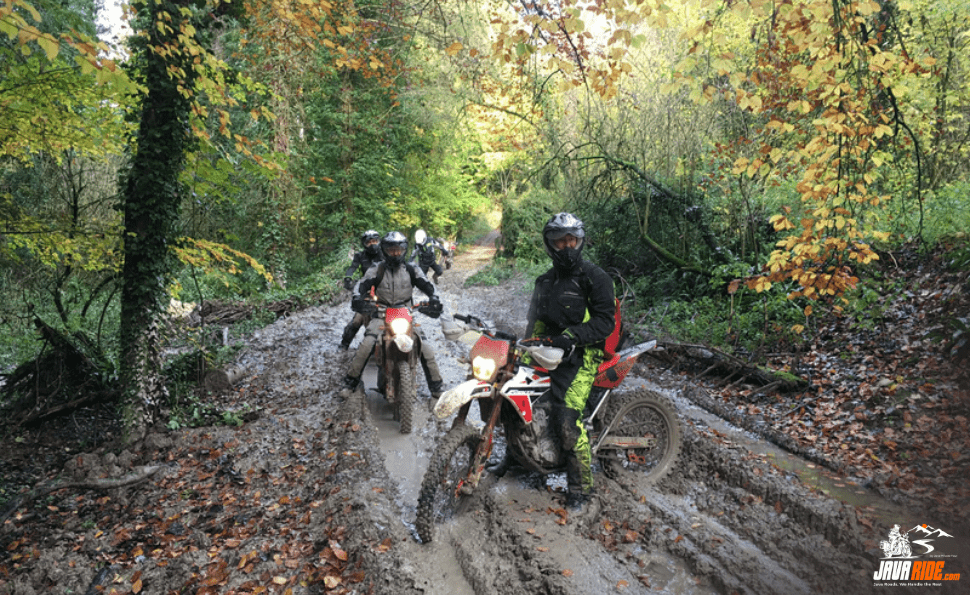
A motorcycle trip does not only carry a rider from one point to another. It also carries water, spare layers, supplies, tools, moving luggage, timing decisions, and the small operational details that become larger once the route grows longer or more varied. On a short and simple day, some of that can be handled lightly.
On a deeper route through Java, it starts building pressure.
The question stops being whether a rider can carry everything. The question becomes whether carrying everything still makes sense once the road begins asking more.
Support Protects the Ride Flow
A support vehicle isn’t just for emergencies — its importance often becomes clear much earlier, quietly shaping the rhythm and comfort of the ride.
It Keeps the Rider Light
When the route runs longer through mountain sections, villages, or mixed terrain, riding light matters. A rider who is not hauling unnecessary weight stays fresher, moves more naturally, and has more margin once the day starts stretching. That is one of the most practical jobs a support vehicle solves without drawing much attention to itself.
It Gives the Day More Range
Support also changes how far a route can go without becoming inefficient. Gear movement, spare fuel, water, food, and the small items that make a multi-day or deeper day sustainable all stop stealing space from the rider and start sitting where they belong — behind the ride, not on top of it.
That helps the route keep its quality longer.
When the Route Gets More Serious
This is where support stops feeling optional.
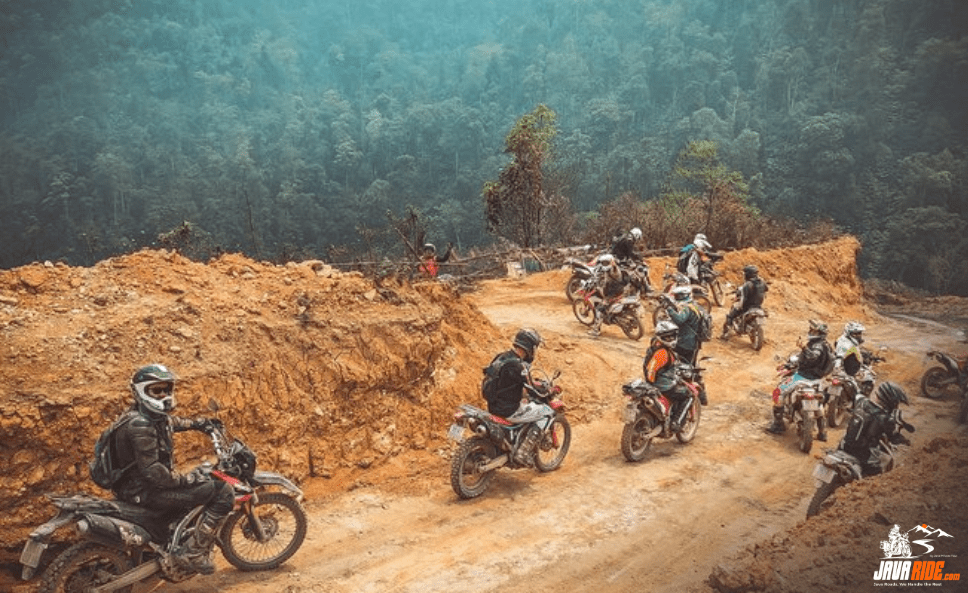
As soon as a route reaches harder terrain, longer mountain sections, more remote movement, or a sequence of roads where delays become costly, the ride benefits from real backing behind it. A support vehicle adds resilience to the day. It gives the route an answer when timing shifts, when conditions change, or when a rider simply needs the day to keep working without turning every small problem into a personal burden.
It is not about removing adventure.
It is about removing unnecessary drag.
Good Support Stays Quiet
The best support does not dominate the ride.
It sits in the background and keeps the day cleaner.
That is one reason supported private touring feels different in Java. The rider notices not only what is there, but what is no longer getting in the way. Less clutter. Less fatigue from carrying too much. Fewer logistics stealing attention from the road. A better sense that the route was built to keep working all day instead of hoping it would.
Because in Java, the moment a support vehicle stops being optional is usually the moment the route starts getting interesting.
So, if you’re ready to ride Java with the right support behind you when the route gets longer, deeper, or more demanding, head over to our contact page and let’s start planning your route. Or you can simply CLICK THIS LINK to chat with us on WhatsApp. With JavaRide, you’re not just getting a bike and a route — you’re getting fifteen years of local knowledge behind every mile. See you on the road!